What you will find on this page:
- Definition of homeopathy
- Evidence in medicine | 3 pillars
- Evidence for homeopathy | Pillar 3 | External clinical expertise
- Financial relief for the healthcare system through homeopathy
- Homeopathy is an evidence-based part of medicine
- Code of good scientific practice
1. Definition of homeopathy
Homeopathy is a medicinal therapy method. The methodology of homeopathy can be found in its basic work, the "Organon of the Art of Healing" by Hahnemann S. Organon der Heilkunst. 6th ed. Leipzig: Schwabe; 1921.
Obligat:
The list of the patient's symptoms is obtained from the information in the medical history, the physical examination findings, laboratory tests, imaging procedures, etc. The patient's symptoms are recorded as completely as possible. This means that the location (with extent), the sensation(e.g. pulling, stabbing, biting pain...), modalities(improvement or worsening according to location, time or circumstances) and accompanying complaints are also recorded. Finding characteristic symptoms that differentiate a specific case of illness from others is essential for a good homeopathic prescription. This is where the methodology differs from conventional medical training, where the unifying factor, the similarity, is sought and researched.
HAMPs are at the high level of clinical drug trials. This means that they must fulfill certain requirements. For example, they require a vote by an ethics committee, an investigator with a qualification for drug trials and documentation of adverse drug events. They must also be placebo-controlled and blinded (neither the test subjects nor the participating investigators know who is in the experimental group and who is in the placebo group).
The list of symptoms of the remedies is obtained through the Homeopathic Medicinal Product Trial HAMP on healthy people. The substances to be tested are taken by healthy volunteers and their mental, emotional and physical reactions and changes are observed and recorded. It is a tradition in homeopathy that homeopathic physicians research the remedies together with their patients.
The patient's symptom list from the homeopathic case history is compared with the many symptom lists of the remedies that have already been researched in HAMP. The patient is then given the remedy whose symptom list is most similar to their individual disease symptom list. Prescriptions are made on the basis of the observation that a homeopathic preparation cures exactly those complaints that it canalso cause when taken by healthy people.
The physician Dr. Samuel Hahnemann (1755 - 1843) first observed this correlation, then recognized its laws and systematically researched them. He formulated the rule of similars: "Similia Similibus Curentur"(Let similar things be curedby similar things) in the preface to the "Organon of the Art of Healing". In addition to "Contraria Contrariis Curentur", this healing principle was mentioned again and again historically, e.g. in the Corpus Hippocrates(Hippocrates of Kos, 460 BC - around 370 BC) and Paracelsus (Theophrast von Hohenheim, 1493-1541).
It is to Hahnemann's credit that he systematically researched this healing principle and made it practically usable for us doctors through his research findings.
If the remedy that is most similar to the patient's list of symptoms is differentiated, then this is prescribed in a single dose. The organism is given time to react to the administration and the dynamics of the course of treatment, characterized by symptoms, are subsequently observed.
The results of Samuel Hahnemann's research led to the development of special homeopathic manufacturing instructions for remedies. These manufacturing instructions can be found in the Organon of the Art of Healing, 6th edition, the Homeopathic Pharmacopoeia HAB and the European Pharmacopoeia Ph.Eur., the latter two being part of the pharmacopoeia according to §55 of the German Medicines Act (AMG). These manufacturing regulations describe the process of potentization, i.e. the step-by-step dilution of the individual starting substances of homeopathic preparations with the respective shaking (burping of a solution).
Excursus: If homeopathic remedies are not prescribed according to these steps, it is not homeopathy, even if homeopathic remedies are used!
These are, for example, Schüssler salts, complex remedies, indication homeopathy (homeopathy selected for specific diseases such as hay fever, cough, headache...). In these procedures, homeopathic preparations are used according to other rules of action that do not correspond to homeopathy. Ultimately, these procedures developed from the need to simplify the large field of homeopathic research. For example, Schüssler's biochemical homeopathy method uses only 27 homeopathic preparations with a manageable range of indications. This contrasts with over 7000 homeopathic remedies, the number of which is increasing worldwide. As understandable as this need for simplification is, it significantly restricts the therapeutic possibilities of homeopathy applied "lege artis", especially in the treatment of chronically ill patients. Such abbreviated application systems do not implement the research findings of the founder of homeopathy and are therefore by definition not homeopathy. They merely use homeopathic substances according to other application systems.
2. Evidence in medicine
Evidence based medicine1 . is the conscientious, unambiguous and judicious application of the best evidence at the time to decisions about patient care. The individual clinical expertise of the treating physicians together with the best available external clinical expertise from systematic research leads to decisions on action. The term individual clinical expertise refers to the judgment of clinically working physicians, which they acquire through their clinical experience in their clinical practice. The term external clinical expertise refers to the results of relevant patient-centered clinical research that focuses on patients and their needs, questions and wishes. The medical research community is currently struggling to find innovative study designs that can map the outcome of clinical interventions in patients under normal conditions.
Evidence is made up of three pillars:
- Reference: Sackett, D. L.; Rosenberg, W. M.; Gray, J. A.; Haynes, R. B.; Richardson, W. S. (1996): Evidence based medicine. What it is and what it isn't. In: BMJ (Clinical research ed.) 312 (7023), pp. 71-72. DOI: 10.1136/bmj.312.7023.71 ↩
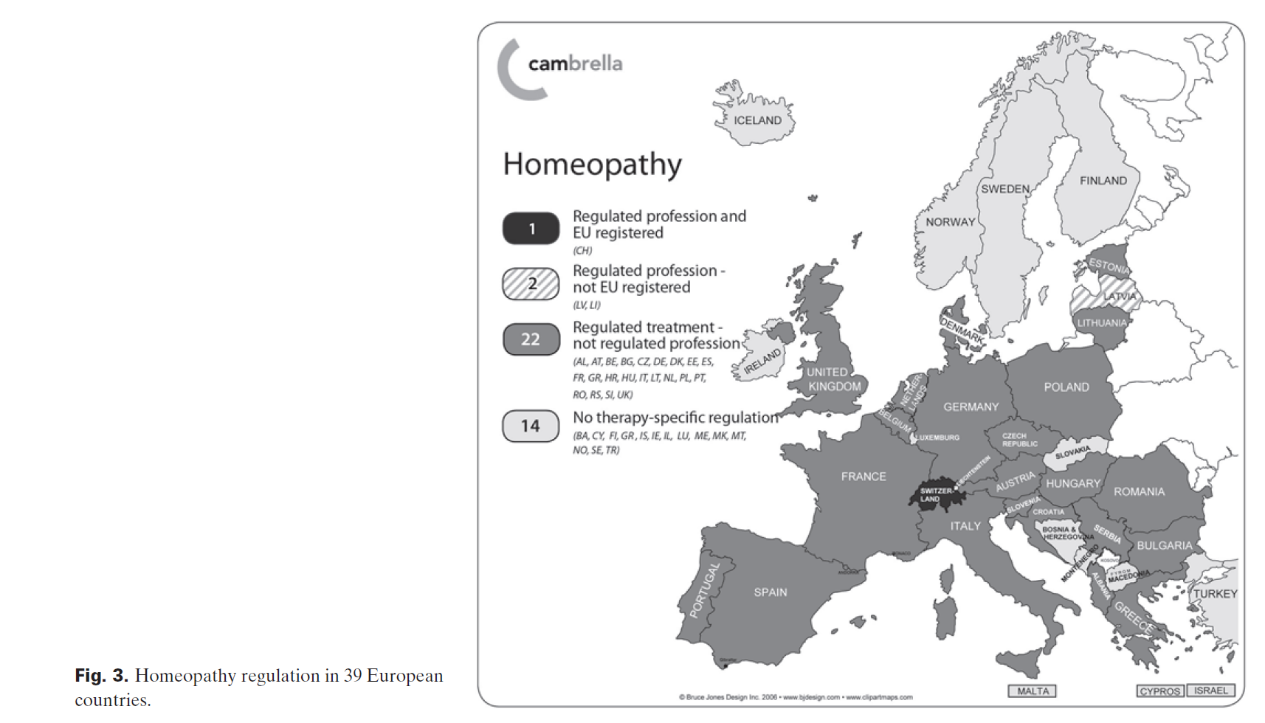
Homeopathy has been used for over 200 years. It is used worldwide. Homeopathy is integrated into the healthcare systems of many countries, such as Switzerland, Brazil, Chile, Mexico, Pakistan and India. In India alone, more than 100 million people use homeopathy. In Europe, homeopathy is established in 39 countries.
In Germany, surveys show how the use of homeopathy is increasing in Germany. In 2018, the proportion of the German population using homeopathy was 53% (Forsa2018). This already strong and steadily increasing use by patients worldwide indirectly indicates the first pillar of evidence .
References1- References: Prasad, Raekha (2007): Homoeopathy booming in India. In: The Lancet 370 (9600), pp. 1679-1680. DOI: 10.1016/S0140-6736(07)61709-7. ↩
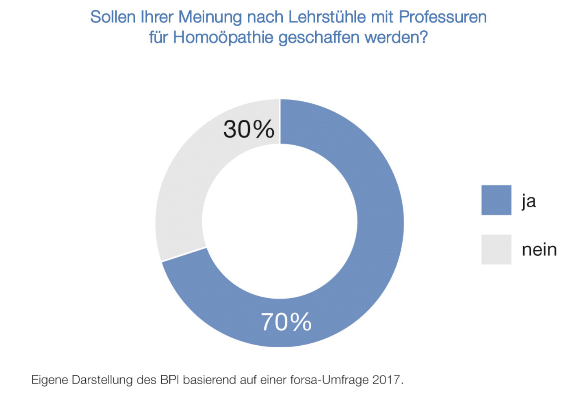
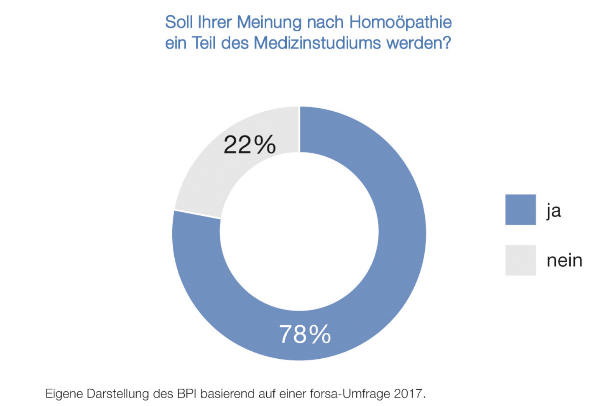
Im Bereich der Ausbildungsforschung engagiert sich die Hahnemann Association seit über 30 Jahren mit ihrem Intensivkurs Homöopathie– dem Dreimonatskurs in dieser Aufgabe. Sie ist Mitglied der Gesellschaft für Medizinische Ausbildung GMA.
The second pillar of evidence is the experience of doctors who use homeopathy. In Germany, almost 7000 doctors have the additional qualification of homeopathy, as can be seen from the 2018 medical statistics of the German Medical Association. This is more than the number of specialists in ear, nose and throat medicine, urology or dermatology.
There are 45,000 doctors trained in homeopathy in Europe, and over 200,000 in India alone. These doctors use homeopathy because they have experienced at the bedside that homeopathy is an effective treatment option in addition to their conventional medical training. The better trained and the more experienced a doctor is in homeopathy, the better his or her clinical results.
As the third pillar of evidence, the findings of external clinical expertise from the best available systematic research are added years later. These are the relevant patient-centered clinical research results that focus on patients and their needs, questions and wishes. The effectiveness of homeopathy has been proven since 2005 by the healthcare research of Prof. Claudia Witt, then Charité, now Vice Dean of UNI Zurich, and has been confirmed by many other studies.homeopathy is superior to conventional medicine, particularly in the treatment of chronic illnesses. Over 70% of chronically ill patients experience a lasting improvement of more than 50% when the method is practiced by well-trained and experienced doctors.
3. Evidence for homeopathy | pillar 3 | external clinical expertise
Homeopathy is effective, as we have known since 2005. This was shown by the care study by Witt et al. 80% of chronically ill patients benefit from homeopathic treatment. Since then, the international evidence for the effectiveness of homeopathy has steadily increased. There are many different scientific methods that contribute to the effectiveness of a therapy. The more research is carried out, the more refined the methods become and the clearer the evidence becomes. Quantitative and qualitative statements flow into the knowledge process. Increasingly, clinical research designs are being developed that also have internal validity for homeopathy. This means that they are appropriate to the methodology of homeopathy (Mathie et al) and will therefore contribute to making the statements of clinical studies even clearer than they already are today. These are completely normal processes in the development of a field of research.
In 2013, the renowned and experienced physician Prof. Robert Hahn, who is committed to "good scientific practice", carefully examined the meta-analyses published on homeopathy since 1991 in order to clarify a scientific discourse. His analysis of the quality of meta-analyses on homeopathy revealed that negative results for homeopathy can only be obtained if 90-95% of the studies are excluded or evaluated with incorrect statistics.
These clear words from Prof. Hahn clearly express how the data situation on homeopathy is manipulated in public scientific discourse. As physicians, we stand unreservedly by the side of our patients, who rely on us to use our expertise to choose the best possible therapy for them1
Mehr Informationen: roberthahn.se/RobertHahnEngl.html- Publication: Hahn, Robert G. (2013): Homeopathy. Meta-analyses of pooled clinical data. In: Forschende Komplementarmedizin (2006) 20 (5), pp. 376-381. DOI: 10.1159/000355916. ↩
As early as 2005, Prof. Claudia Witt found that chronically ill patients improved by more than 50% in the first three months of homeopathic treatment. 25.7% were free of their chronic illness for a further 24 months. These clear effects were still confirmed eight years later.
It follows from this: The only scientifically meaningful conclusion from this research is that homeopathic therapy should be applied to every chronically ill person to see if they belong to the responders.
1 2 .Personal details: Prof. Claudia Witt, 2005 Head of the Research Department of Complementary and Integrative Medicine at the Institute of Social Medicine, Epidemiology and Health Economics | Charité | Berlin. Link: https://epidemiologie.charite.de/metas/person/person/address_detail/witt_mba/
Today Prof. Claudia Witt is Vice Dean of the University of Zurich | Switzerland Link: https://www.med.uzh.ch/de/UeberdieFakultaet/fakultaets parties/wittclaudia.html
- Witt, Claudia M.; Lüdtke, Rainer; Baur, Roland; Willich, Stefan N. (2005): Homeopathic medical practice. Long-term results of a cohort study with 3981 patients. In: BMC Public Health 5, p. 115. DOI: 10.1186/1471-2458-5-115. ↩
- Witt, Claudia M.; Lüdtke, Rainer; Mengler, Nils; Willich, Stefan N. (2008): How healthy are chronically ill patients after eight years of homeopathic treatment?-Results from a long term observational study. In: BMC Public Health 8, p. 413. DOI: 10.1186/1471-2458-8-413 ↩
In order to test the effectiveness of a treatment under experimental conditions, randomized (subjects are randomly assigned to study groups), controlled (there is one verum group and one or more control groups), double-blind (neither the patient nor the doctor knows who is in which group) studies are conducted. The study design of a randomized controlled trial is experimental. This means that the study conditions are artificially designed. This design is an attempt to obtain the clearest possible answer to the clearest possible question in order to prove causality. The disadvantage is that the experimentally created therapy situation does not correspond to the normal course of treatment as it takes place in real life. The value of such RCTs is currently being increasingly criticized in scientific discourse, as the effectiveness of a drug on one parameter does not provide any information about the patient's state of health. New, more suitable study methods are increasingly being researched in medicine.
In homeopathy, there are many well-conducted randomized controlled double-blind studies with positive results in homeopathy. Here is an example of a three-arm, double-blind, placebo-controlled study on menopausal depression by Macías-Cortés et al. 2015.
Three treatment groups were compared in this RCT. One group received a sham therapy (placebo). A second group was treated with a psychotropic drug (fluoxetine) and a third group with individualized homeopathy. Both the psychotherapeutic and the homeopathic treatment groups were superior to the placebo group in terms of their effects. The women in the homeopathy group also benefited from a greater improvement in depression symptoms and their menopausal symptoms also improved.
1 2 3- Macías-Cortés, Emma Del Carmen; Llanes-González, Lidia; Aguilar-Faisal, Leopoldo; Asbun-Bojalil, Juan (2015): Individualized homeopathic treatment and fluoxetine for moderate to severe depression in peri- and postmenopausal women (HOMDEP-MENOP study). A randomized, double-dummy, double-blind, placebo-controlled trial. In: PloS one 10 (3), e0118440. DOI: 10.1371/journal.pone.0118440. ↩
- Grimaldi-Bensouda, Lamiae; Abenhaim, Lucien; Massol, Jacques; Guillemot, Didier; Avouac, Bernard; Duru, Gerard et al. (2016): Homeopathic medical practice for anxiety and depression in primary care. The EPI3 cohort study. In: BMC complementary and alternative medicine 16, p. 125. DOI: 10.1186/s12906-016-1104-2. ↩
- Danno, Karine; Vetel, Jean-Marie; Duru, Gerard; Joubert, Clementine (2014): Physician practicing preferences for conventional or homeopathic medicines in elderly subjects with musculoskeletal disorders in the EPI3-MSD cohort. In: CLEP, p. 333. DOI: 10.2147/CLEP.S64049. ↩
What are systematic reviews SR and meta-analyses MA?
Systematic reviews SR and meta-analyses MA are summaries of research results from primary research studies.
If many randomized (randomly distributed) controlled (with comparison group(s)) studies RCTs have already been conducted in a field of research, an attempt is made after an appropriate period of time to sift through the research results and summarize them in so-called systematic reviews and, if possible, meta-analyses. This involves first collecting all available studies on a topic and sorting them according to a quality key that has already been defined in writing before the evaluation. This evaluation key is stored transparently and made available to other researchers on request. They can use it to check the quality of a review or meta-analysis.
Both SR and MA provide an overview of the status of research on a specific question and at a specific point in time. They also provide information on the quality of individual studies. They must be updated regularly to take account of new research findings.
Within the framework of SRs, the results of all studies found can, under certain circumstances, be summarized in an overall result. This is more meaningful than a single study.
If the results of the studies are relatively similar, i.e. homogeneous, then the data can be included in a meta-analysis. In addition to the SR, these then allow the calculation of pooled effect estimates.
What reviews SR and meta-analyses MA are available to date?
Such research has been carried out for homeopathy since 1991 (Kleijnen et al). They show positive results.
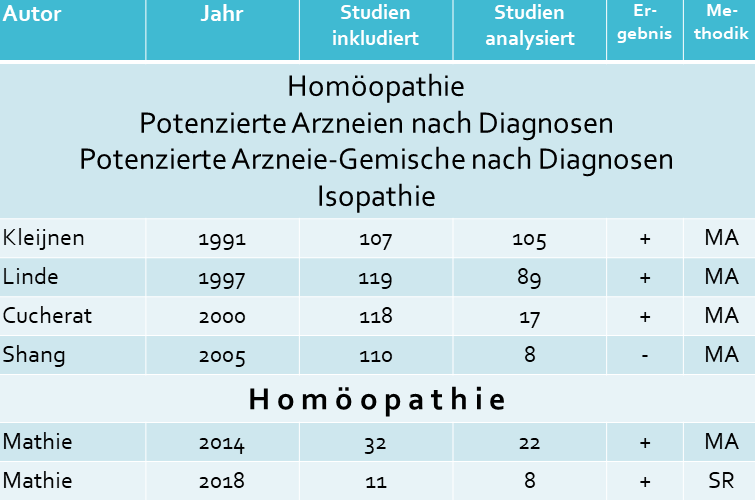
Limitations of early reviews and meta-analyses:
The limitation of these early reviews and meta-analyses is that they examined homeopathy indiscriminately with other procedures that used potentized drugs. Homeopathy is a medicinal therapeutic method described in Samuel Hahnemann's Organon of the Art of Healing, 6th edition.
In homeopathy, the patient's list of symptoms is compared with the symptom lists of the remedies, researched by the homeopathic remedy provings HAMP, and the most similar remedy is prescribed. If this process does not take place, it is by definition not homeopathy. This means that prescribing potentized remedies on a basis other than that described above is not homeopathy.
Systematic research on homeopathy by Robert Mathie:
This methodological problem of reviews and meta-analyses on homeopathy is addressed by the scientist Robert Mathie in his systematic research. He initiated significant qualitative improvements in the clinical research of homeopathy and documented this in an uncompromisingly transparent and comprehensible manner, in keeping with his research personality. He thus made a major contribution to the development of methodology in clinical research on homeopathy.
The development of methodology is a common scientific process in new fields of research, including homeopathy.
Of his systematic reviews, two deal with homeopathy:
Mathie 2014 and Mathie 2018.
[Kleijnen, J.; Knipschild, P.; ter Riet, G. (1991): Clinical trials of homoeopathy. In: BMJ 302 (6772), pp. 316-323. DOI: 10.1136/bmj.302.6772.316.]. 1 . [Cucherat, M.; Haugh, M. C.; Gooch, M.; Boissel, J. P. (2000): Evidence of clinical efficacy of homeopathy. A meta-analysis of clinical trials. HMRAG. Homeopathic Medicines Research Advisory Group. In: European journal of clinical pharmacology 56 (1), pp. 27-33]. 2 . 3 4 . 5 . 6 7 8 . 9 .
- Linde, K.; Clausius, N.; Ramirez, G.; Melchart, D.; Eitel, F.; Hedges, L. V.; Jonas, W. B. (1997): Are the clinical effects of homeopathy placebo effects? A meta-analysis of placebo-controlled trials. In: Lancet (London, England) 350 (9081), pp. 834-843 ↩
- Shang, Aijing; Huwiler-Müntener, Karin; Nartey, Linda; Jüni, Peter; Dörig, Stephan; Sterne, Jonathan A. C. et al. (2005): Are the clinical effects of homoeopathy placebo effects? Comparative study of placebo-controlled trials of homoeopathy and allopathy. In: Lancet (London, England) 366 (9487), pp. 726-732. DOI: 10.1016/S0140-6736(05)67177-2 ↩
- Peters, David (2005): Shang et al. carelessness, collusion, or conspiracy? In: Journal of alternative and complementary medicine (New York, N.Y.) 11 (5), pp. 779-780. DOI: 10.1089/acm.2005.11.779-1. ↩
- Wilson, Paul (2009): Analysis of a re-analysis of a meta-analysis. In defense of Shang et al. In: Homeopathy 98 (2), pp. 127-128. DOI: 10.1016/j.homp.2008.12.003. ↩
- Kiene, Helmut; Kienle, Gunver S.; Schön-Angerer, Tido von (2005): Failure to exclude false negative bias. A fundamental flaw in the trial of Shang et al. In: Journal of alternative and complementary medicine (New York, N.Y.) 11 (5), p. 783. DOI: 10.1089/acm.2005.11.783. ↩
- Mathie, Robert T.; Roniger, Helmut; van Wassenhoven, Michel; Frye, Joyce; Jacobs, Jennifer; Oberbaum, Menachem et al. (2012): Method for appraising model validity of randomized controlled trials of homeopathic treatment. Multi-rater concordance study. In: BMC medical research methodology 12, p. 49. DOI: 10.1186/1471-2288-12-49. ↩
- Mathie, Robert T.; Hacke, Daniela; Clausen, Jürgen; Nicolai, Ton; Riley, David S.; Fisher, Peter (2013): Randomized controlled trials of homeopathy in humans. Characterizing the research journal literature for systematic review. In: Homeopathy : the journal of the Faculty of Homeopathy 102 (1), pp. 3-24. DOI: 10.1016/j.homp.2012.10.002. ↩
- Mathie, Robert T.; Lloyd, Suzanne M.; Legg, Lynn A.; Clausen, Jürgen; Moss, Sian; Davidson, Jonathan R. T.; Ford, Ian (2014): Randomized placebo-controlled trials of individualised homeopathic treatment. Systematic review and meta-analysis. In: Systematic reviews 3, p. 142. DOI: 10.1186/2046-4053-3-142 ↩
- Mathie, Robert T.; Ulbrich-Zürni, Susanne; Viksveen, Petter; Roberts, E. Rachel; Baitson, Elizabeth S.; Legg, Lynn A.; Davidson, Jonathan R. T. (2018): Systematic Review and Meta-Analysis of Randomized, Other-than-Placebo Controlled, Trials of Individualised Homeopathic Treatment. In: Homeopathy 107 (4), pp. 229-243. DOI: 10.1055/s-0038-1667129 ↩
A case report describes the medical history of an individual patient in the style of a narrative, including the medical problem, the findings with diagnoses, the therapeutic interventions and follow-up consultations. The results are presented (including adverse events) and the authors discuss the course of events and draw conclusions that provide new insights. In these case reports, the cooperation of the patients is intended to make the report more accurate, more complete, more transparent and more concise from multiple perspectives.
Unlike randomized controlled trials, case reports reflect therapeutic reality. They are particularly suitable for isolating the first signs of efficacy in new diseases. For this reason, this format will initially be used scientifically for research into the new disease Covid-19, caused by SARS-CoV-2.
The latest research project of Hahnemann Association is the data collection of case reports on Covid-19. The project is called:
"Data collection case reports Covid-19 Hahnemann Association"
In this clinical research project, we cooperate nationally and internationally with research groups to further improve the evidence for the treatment of Covid-19 with homeopathy.
Our expertise in homeopathy led to the development of the "Emergency Setting Homeopathy | Covid-19 | Hahnemann Association" at the beginning of March 2020, after analyzing the study situation on Covid-19 and its clinical picture and course. This laid the foundation for the world's first positive study on the medicinal treatment of Covid-19, as it led to cooperation with the Turkish doctors' and pharmacists' association BÜTAD. The specialist colleagues from Turkey implemented the work proposals at breathtaking speed and evaluated the results (Bütad Pressemeldung). These in turn are now the basis for further systematic research.
In keeping with the severity of Covid-19, we act quickly and carefully, always with the common good in mind.
In basic research, a series of physicochemical experiments, in vitro assays (cell cultures, microorganisms), bioassays (plants) and animal experiments show that potentized (diluted and shaken) preparations differ significantly from unpotentized preparations and from the solvents. See also press release Basic research
[Klein, Sabine D.; Würtenberger, Sandra; Wolf, Ursula; Baumgartner, Stephan; Tournier, Alexander (2018): Physicochemical Investigations of Homeopathic Preparations. A Systematic Review and Bibliometric Analysis-Part 1. In: Journal of alternative and complementary medicine (New York, N.Y.) 24 (5), pp. 409-421. DOI: 10.1089/acm.2017.0249].The quality and quantity of physico-chemical research has increased significantly over the last 20 years. The countries most involved in basic research are Germany, followed by France, India and Italy. Chemical mechanisms of action have been excluded. The homeopathic research community concentrates on physical phenomena.
What do Nobel Prize winners say about how homeopathy works?
On July 14, 2018, the international seminar "New Horizons in Water Science - Evidence for Homeopathy?" took place at the Honorable Royal Society of Medicine. The two Nobel Prize winners Dr. Brian D. Josephson and Dr. Luc Montagnier shared their ideas with the international auditorium from a physical and medical point of view, in which area they suspect the possible mode of action of homeopathy.
1 .- Tournier, Alexander; Klein, Sabine D.; Würtenberger, Sandra; Wolf, Ursula; Baumgartner, Stephan (2019): Physicochemical Investigations of Homeopathic Preparations. A Systematic Review and Bibliometric Analysis-Part 2. In: Journal of alternative and complementary medicine (New York, N.Y.) 25 (9), pp. 890-901. DOI: 10.1089/acm.2019.0064 ↩
Exciting findings were presented: Prof. em. Dr. Brian D. Josephson, who was awarded the Nobel Prize in Physics in 1973 together with Leo Esaki and Ivar Giaver for his predictions of the properties of the supercurrent through a tunnel barrier, stated as a key message that the lock-and-key model of chemical interactions in living organisms is wrong and that electromagnetic signals and quantum theory could provide better explanations to explain the scientifically observed phenomena.
Prof. Dr. Luc Montagnier spoke about homeopathically potentized medicines. These are diluted and shaken step by step during the manufacturing process (a solution is firmly poured). Montagnier, who was awarded the Nobel Prize in Physiology and Medicine in 2008 together with Françoise Barré-Sinoussi for the discovery of the HIV virus, demonstrated reproduced research results in which electromagnetic signals, i.e. information, can be transmitted from potentized, highly diluted preparations that previously contained DNA or RNA. DNA and RNA are the molecular carriers of information. He pointed out that the manufacturing process of shaking (the solid impaction of a solution), as used in the production of homeopathic remedies, is a "sine qua non" condition for observing these effects.
The individual lectures can be viewed here: The English physician Lord Ward-Atherton was responsible for the high-class scientific program of the international seminar.4. Financial relief for the healthcare system through homeopathy
Homeopathy is cost-effective. Studies are available on its cost-effectiveness, including overview studies. Homeopathy is inexpensive in medical healthcare.
A review from 2014 provides an initial overview. A total of 14 studies were included in the analysis, eight of which showed the superiority of homeopathy both as a therapy and in terms of costs. That is 57%. Four studies showed better clinical results with homeopathy or the same as the control group at similar costs. This means that over 80% of patients benefit from homeopathy without burdening the healthcare system, but rather relieving it. These are clear results.
A practical example from France. The French colleagues had investigated the effects of homeopathy in a whole series of well-planned clinical studies. Their results are impressive. For example, here is a look at the medication consumption of non-steroidal anti-inflammatory drugs NSAIDs (e.g. ibuprofen, COX-2 inhibitors, diclofenac) in patients with musculoskeletal pain, which were collected in France as part of a nationwide observational study. The general practitioners themselves assessed the focus of their practice activities. They either worked predominantly with conventional medicine (CM), or predominantly with homeopathy (Ho with appropriate training), or they worked with conventional medicine in combination with complementary or alternative therapies (Mx).
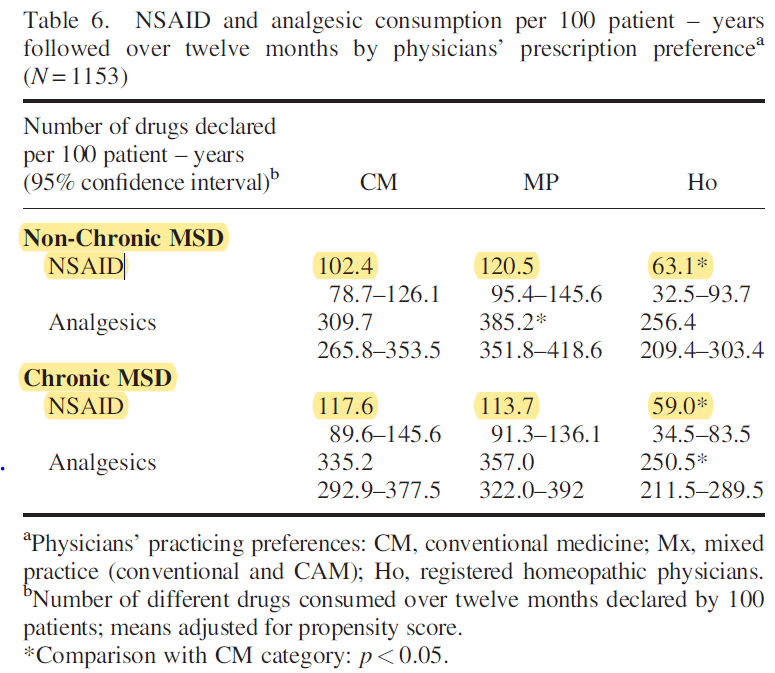
If we look at the drug consumption of NSAIDs, we see that general practitioners working purely homeopathically were able to reduce this by 50% compared to their colleagues working in conventional medicine. That is strong.
Such serious savings in NAISDs lead to a 50% reduction in drug costs for NSAIDs, as well as a reduction in the occurrence of unwanted side effects of this class of substances, which attack the stomach and can often lead to bleeding. These are life-threatening side effects for patients and are often very traumatic. In order to protect the gastric mucosa, additional medication is therefore prescribed together with the NSAIDs to protect the stomach (e.g. pantoprazole or omeprazole...), the consumption of which also reduces costs for our healthcare system by 50%. Bleeding from the gastrointestinal tract leads to hospitalization, with the associated efforts for patients and high costs for our healthcare system. If the bleeding is very severe, it may be necessary to treat it with blood transfusions, which represent an increased health risk for patients. These also drive up costs. The hospital stay itself entails an increased risk of infection. Furthermore, patients are unable to work, which must be factored into the costs.
From this chain of consequences of prescribing NSAIDs alone, it is clear how important any reduction in the use of these drugs will be for our healthcare costs.
A second effect, which we already know from other analyses, is the observation that doctors who use CAM procedures and conventional medicine produce higher costs.
This may be related to the effect of dual therapy (acupuncture + NSAID, ivy cough syrup + codeine, antibiotic + primex extract...), which is an indication of the lack of experience in the respective CAM procedures. Since the training in these therapies is completed outside the university, usually during ongoing practice, it simply takes longer for the experience in the application of the additional therapy options to grow.
It follows that the better a doctor is trained in homeopathy, the greater its therapeutic effects will be. This correlation can be clearly seen in the Witt study, in which all of the 103 participating doctors had at least five years of practical experience in homeopathy and used it primarily. One third of the participating doctors were members of Hahnemann Association. With such a qualified pool of practitioners, the improvements of the 97% of chronically ill patients who visit a homeopathic practice increase to over 80%, instead of the 50% improvements shown here and in other studies. There is still a lot of room for improvement through better training!
The third recognizable effect in this study, which has already been observed frequently, is that the proportion of chronically ill patients who specifically opt for homeopathy is significantly higher. Why is this the case? This is where the first pillar of evidencebecomes visible. The experience of patients who share their positive healing experiences with homeopathy in their private lives.
This effect is reflected in the unstoppable global spread of homeopathy.
References: 1 2 . 3 4 [Witt, Claudia M.; Lüdtke, Rainer; Baur, Roland; Willich, Stefan N. (2005): Homeopathic medical practice. Long-term results of a cohort study with 3981 patients. In: BMC Public Health 5, p. 115. DOI: 10.1186/1471-2458-5-115].
- Viksveen, Petter; Dymitr, Zofia; Simoens, Steven (2014): Economic evaluations of homeopathy. A review. In: Eur J Health Econ 15 (2), pp. 157-174. DOI: 10.1007/s10198-013-0462-7. ↩
- Rossignol, Michel; Begaud, Bernard; Engel, Pierre; Avouac, Bernard; Lert, France; Rouillon, Frederic et al. (2012): Impact of physician preferences for homeopathic or conventional medicines on patients with musculoskeletal disorders. Results from the EPI3-MSD cohort. In: Pharmacoepidemiology and drug safety 21 (10), pp. 1093-1101. DOI: 10.1002/pds.3316 ↩
- Baars, Erik W.; Kooreman, Peter (2014): A 6-year comparative economic evaluation of healthcare costs and mortality rates of Dutch patients from conventional and CAM GPs. In: BMJ open 4 (8), e005332. DOI: 10.1136/bmjopen-2014-005332. ↩
- Colas, Aurélie; Danno, Karine; Tabar, Cynthia; Ehreth, Jenifer; Duru, Gérard (2015): Economic impact of homeopathic practice in general medicine in France. In: Health Econ Rev 5 (1), p. 51. DOI: 10.1186/s13561-015-0055-5. ↩
5. Homeopathy is an evidence-based part of medicine
Homeopathy is a therapeutic method that is applied with expertise by conventionally trained doctors on top of the therapeutic options learned there. The clinical results are related to the quality of the doctors' training and level of experience. For homeopathic physicians, intra-collegial and interdisciplinary cooperation is a matter of course. They work hand in hand with their conventionally trained colleagues for the benefit of their patients. It is supportive of this cooperation if all doctors have basic training in homeopathy, as taught in the three-month course (480 teaching units-Hahnemann Association). Experience shows that knowledge helps to overcome fears and misconceptions.
Publicly disseminated information on homeopathy is based on misinformation and misconceptions. There are serious accusations against good scientific practice. Even the reinforcement of these misinterpretations by "scientific societies" does not make these misjudgments any more true.
They reduce the scientific achievement of the scientific community to absurdity and take away its meaningfulness. The scientific community is increasingly defending itself against these manipulations.
In Germany, research and science are also supported by public funds. It goes without saying that the findings of research efforts then flow back into our civil society.
Research is open-ended. Scientists are committed to "good scientific practice". It is a matter of course for them to declare their conflicts of interest transparently when commenting on specialist topics.
Young scientists are deprived of the meaningfulness of their research efforts when they realize how manipulatively the honestly gained knowledge is handled, as we can see exemplarily in homeopathy.
The scientists at Hahnemann Association are uncompromisingly committed to the code of "good scientific practice".
6. Code of good scientific practice
- means that scientists are always guided by the latest scientific findings and base their arguments on them
- is characterized by the fact that a critical examination of the scientific findings obtained takes place and that these are monitored
- involves a conscientious scientific discourse that includes a discussion of other scientific opinions and research findings and argues these with integrity
- includes quality assurance and documentation of the research process as well as the safeguarding of research data in order to ensure the traceability and reproducibility of the research results obtained from it
- includes safeguarding the intellectual authorship of the publication. This is done by correctly and completely citing sources from other publications as well as identifying included findings and ideas of other authors
- requires that information and recommendations are based on scientifically sound findings and that personal views and conflicts of interest are disclosed
- supports the peer-to-peer transfer of knowledge and the mutual learning and further training process of those creating knowledge.
Every member of Hahnemann Association is responsible for ensuring that their own conduct complies with the standards of "good scientific practice". The Hahnemann Association itself creates the framework conditions for this.